Uncategorized

2023 Werth Innovators

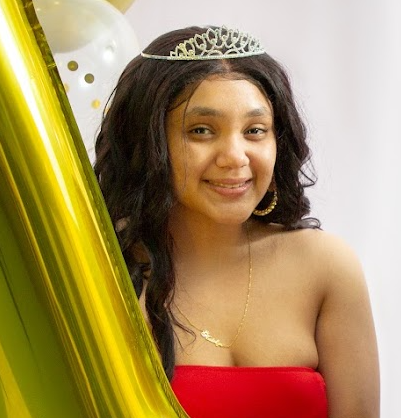
Katelyn Archambault
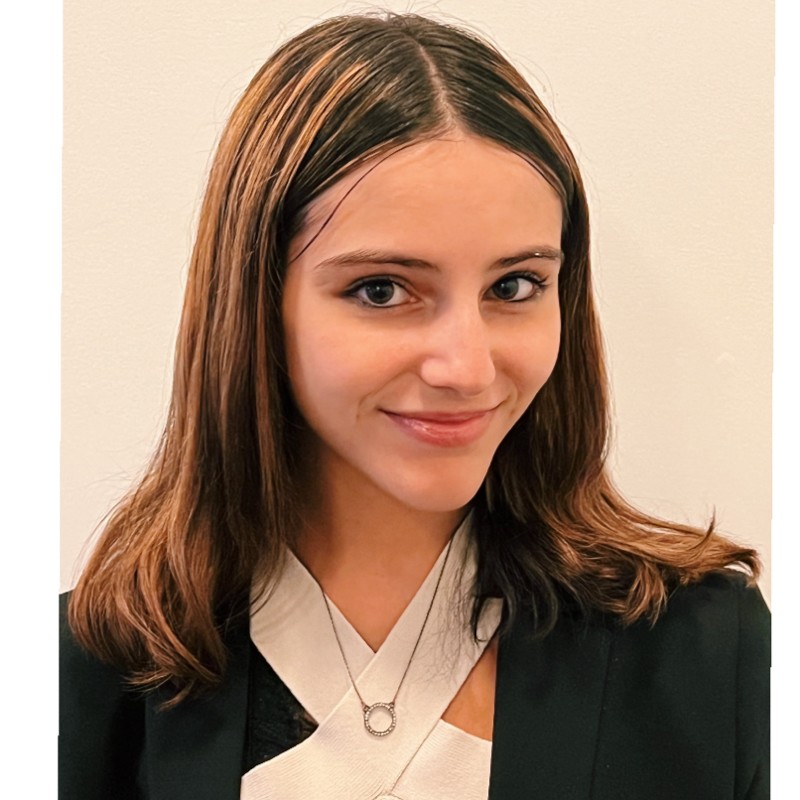
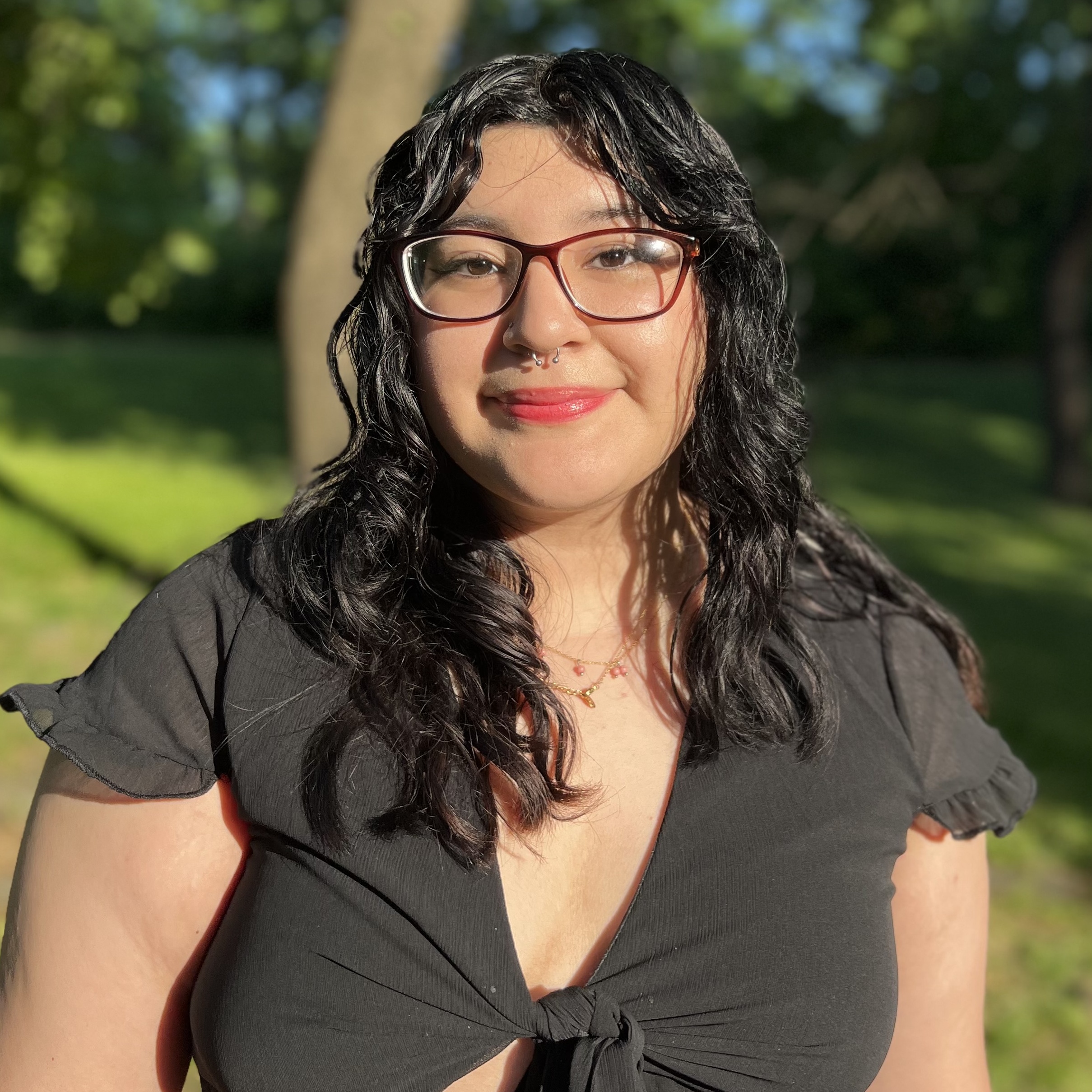
Katelyn Archambault is going to be a sophomore during the 23-24 school year at UConn. She is originally from Connecticut and attended Pathways Academy of Technology and Design for highschool. While she is currently undecided, she hopes to major in Mechanical Engineering or Material Sciences with a minor in manufacturing. A passion she found through the classes she took at her highschool as well as the manufacturing internship she held in the past. She enjoys the arts and you can catch her creating a piece of art, making something or playing an instrument. Her hobbies also include hiking, reading, or exploring a new place with friends. Currently Katelyn is working as a Process Engineering intern, and will be joining the Makerspace team at UConn in the fall. Through the positions she currently holds she hopes to learn more and advance her skills within her field, while helping and working with others. Katelyn’s current dream job is currently a place of employment that will allow her to continue to participate in the process of creating new things or fixing current items. As well as allow her to travel and keep learning about the world and others around her.
LinkedIn: https://www.linkedin.com/in/katelyn-archambault/


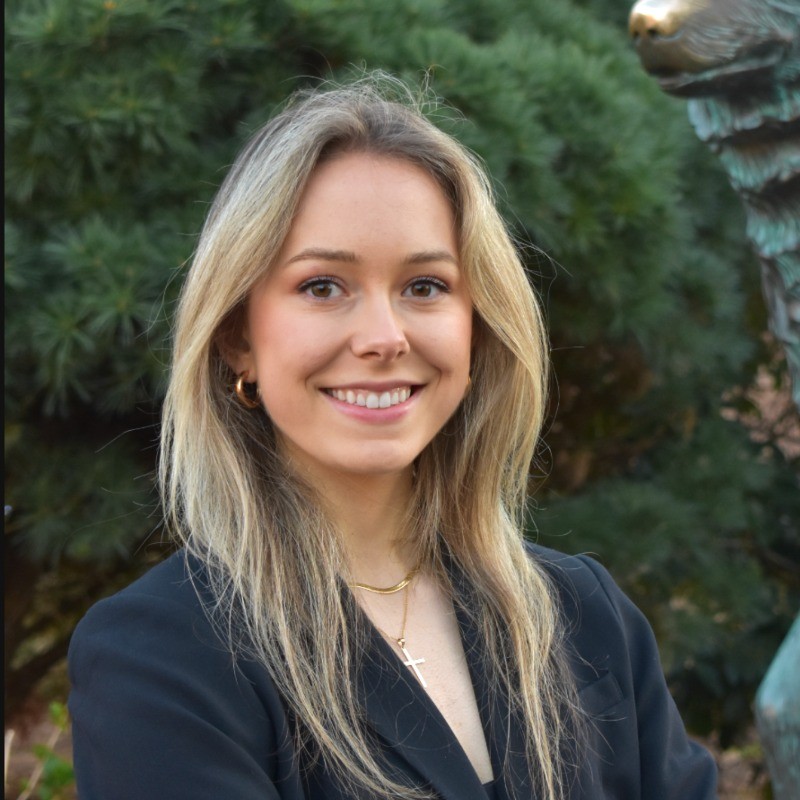
Lily Dworak

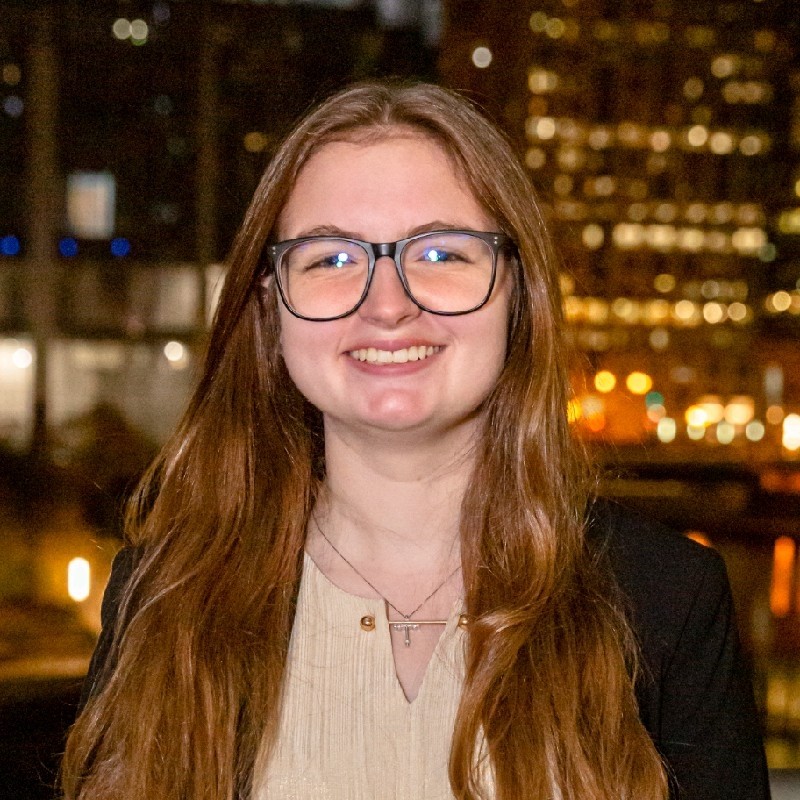
Lily Dworak is a junior studying finance from Cromwell, Connecticut. Throughout her first two years at UConn, she discovered deep passions in health, entrepreneurship, and philosophy. She is currently working on a food product within the Werth Innovators program designed to make it easier for people to maintain a healthy diet from wherever they are. She is also a founding member of the Opportunity Fund, the first women-focused student-managed fund in UConn’s history. In her free time, Lily enjoys meditation, reading, and exercising. She prides herself on being a lifelong learner and wants to continue using education as a vehicle for personal growth and creating innovative solutions to problems. As a Werth Innovator, Lily hopes to further cultivate an entrepreneurial mindset and meet people with similar interests.

LinkedIn: https://www.linkedin.com/in/lily-dworak/
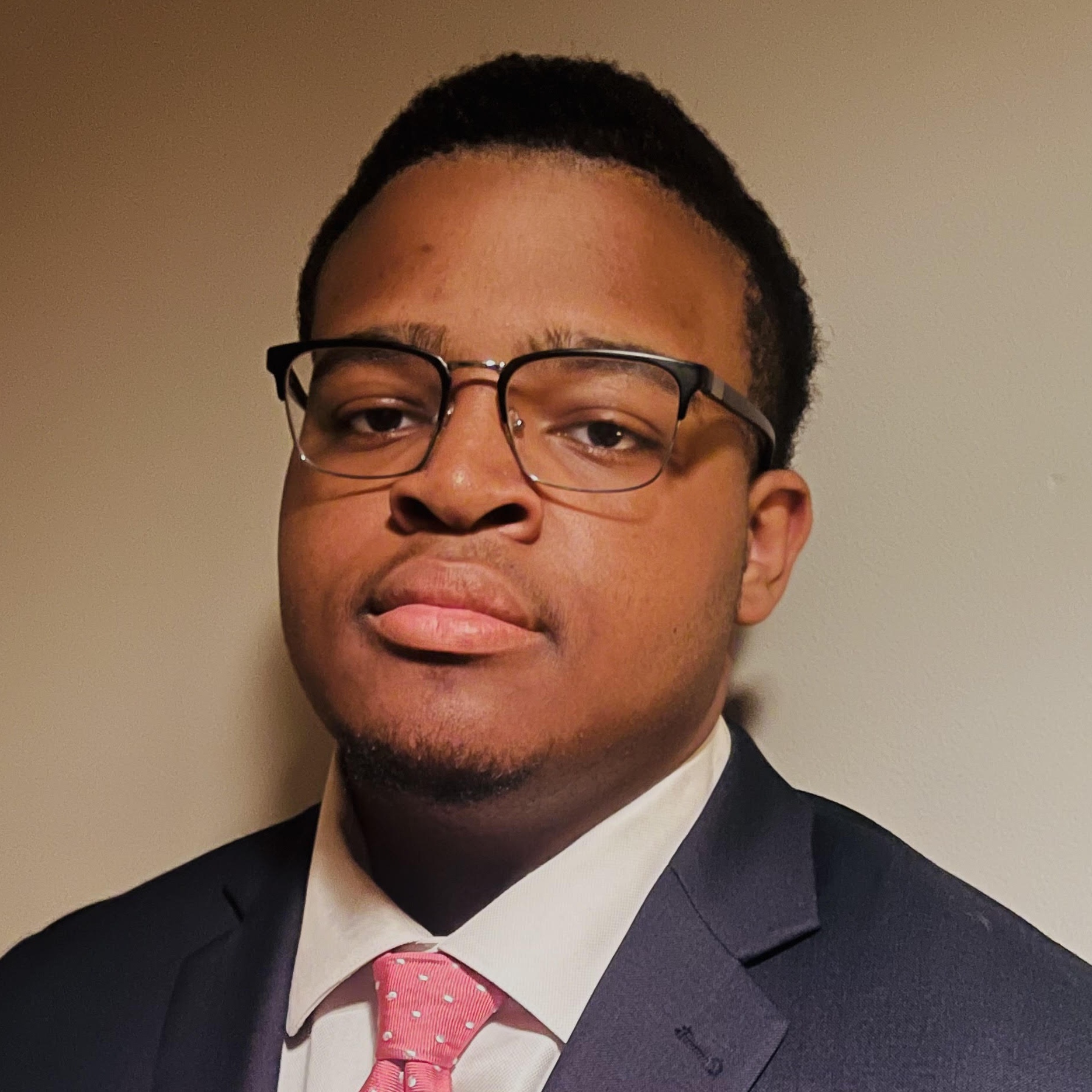

Joseph Foy
Joseph Foy III is a dedicated student at the University of Connecticut’s School of Business, where he is pursuing a degree in finance. As a Werth Innovator, he eagerly embraces new opportunities for growth. Beyond his academic pursuits, Joseph’s life is anchored in his Christian faith, which guides his actions and values. In addition to his studies, Joseph finds fulfillment in a diverse range of interests. He enjoys engaging in sports, appreciating films, and exploring the world of auto-motives. These passions provide him with inspiration and a well-rounded perspective on life. With a goal to learn from those around him, Joseph strives to make a positive impact on the world. Through a combination of his strong educational background and the experiences gained at UConn he hopes to develop his skills further, and gain new ones. Joseph is determined to not only tackle challenges, but remain open to new ideas and fresh perspectives. His academic prowess, passion for finance, and diverse interests make him a well-rounded individual ready to leave a lasting mark in his field. In sum, Joseph is a dedicated student at UConn’s School of Business. He embraces opportunities for growth and finds joy in sports, films, and auto-motives. With a strong educational background and a drive to make a positive impact, Joseph is poised to excel in any industry he finds himself.

Linkedin: https://www.linkedin.com/in/joseph-anthony-foy-iii/
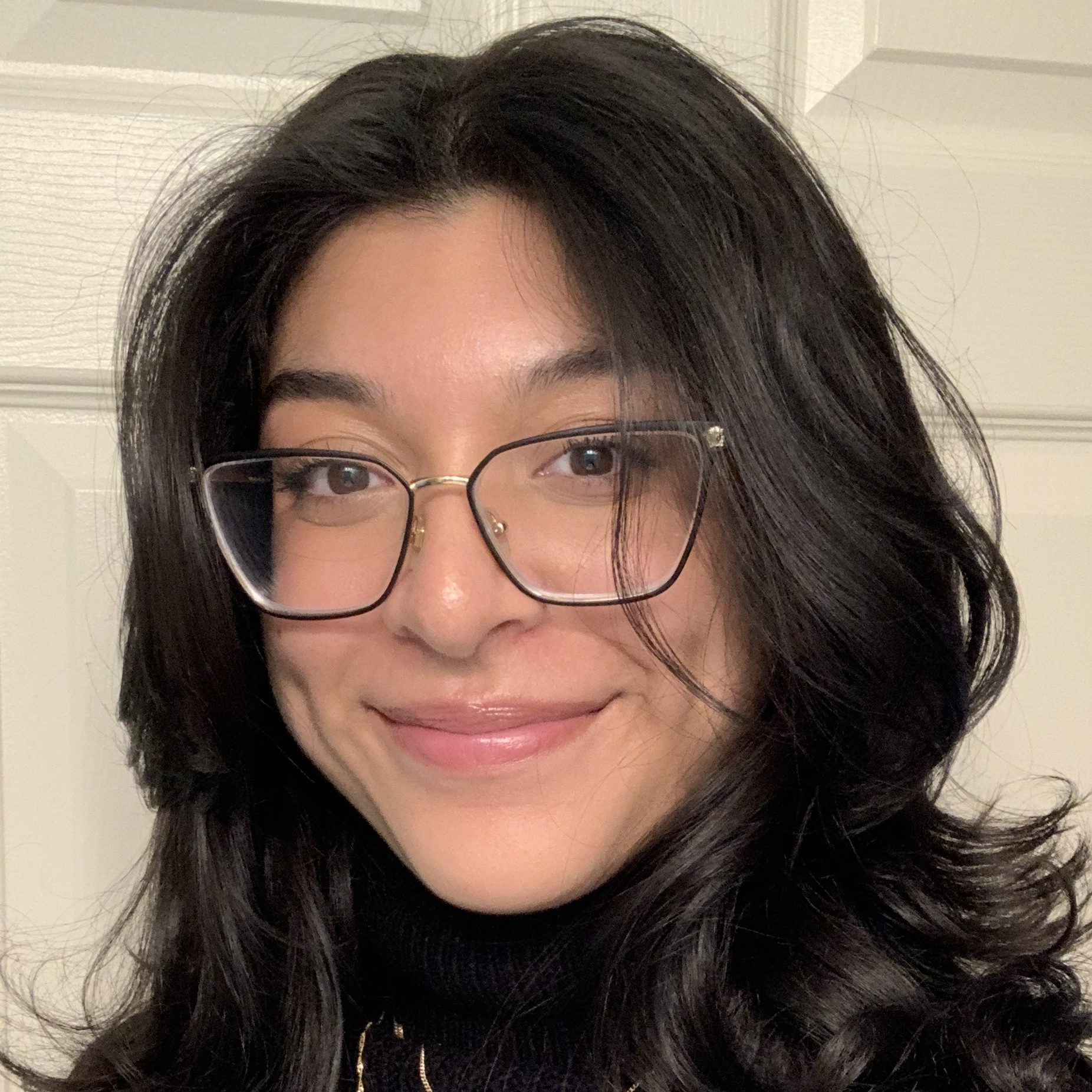

Julia Ghagare
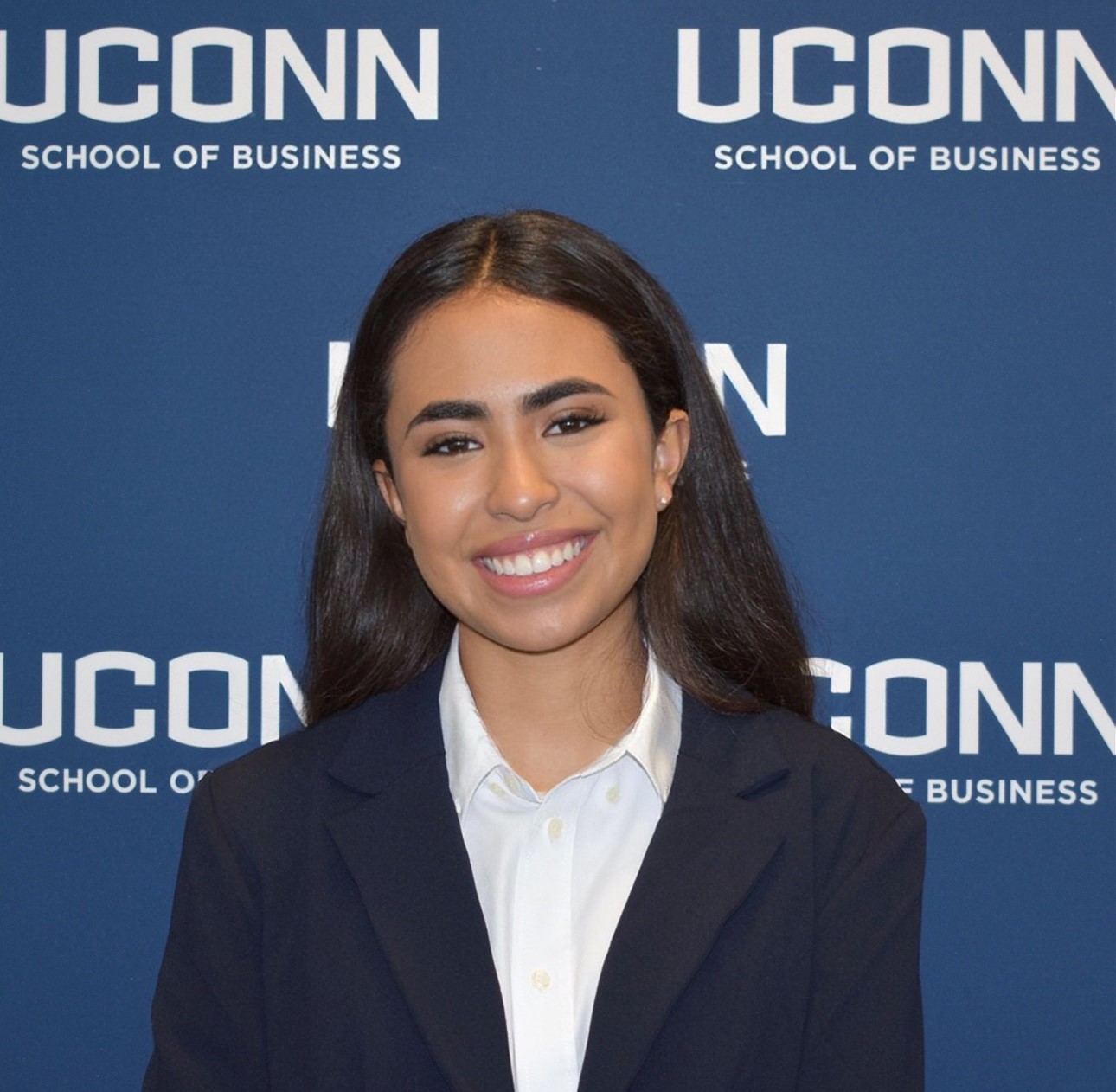
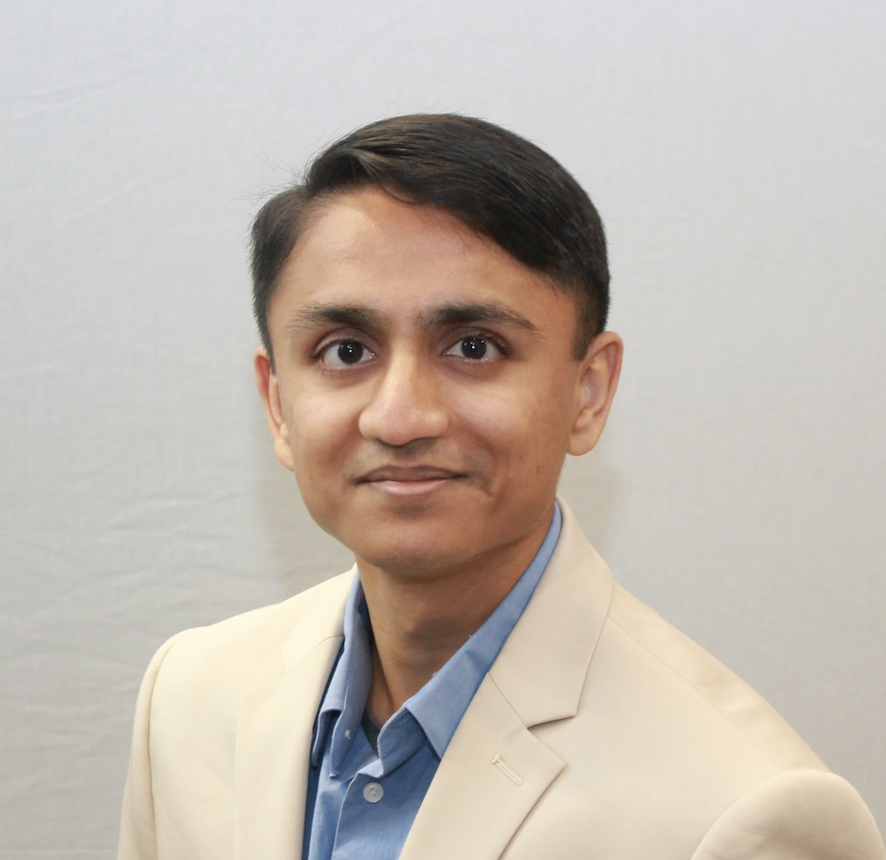
Julia Ghagare is a sophomore Marketing major and tentative Economics minor in the Honors Program from South Windsor, CT. Julia is a first-gen American college student and eldest daughter of Mexican and Indian parents. She enjoys biking and reading books from inspirational females authors in her free time. In the UConn community, Julia strives to be heavily involved in activities that support the student body’s success and development. Julia serves as Vice President of External Relations for UConn Women in Business, member of the Special Events Committee in SUBOG, UNIV Facilitator for UNIV 1784 (a first-year Honors experience course), Mentor for the Financial Literacy Innovation Program (F.L.I.P.), volunteers for Husky Ambassadors, and works as an Intramural Official at the Rec Center. As a Werth Innovator, Julia wants to explore sustainability through an entrepreneurial lens, or in other words, ecopreneurship. Her eyes are set on discovering ways to change population habits surrounding overconsumption/production, and increase awareness of the environmental impacts caused by consumer choices. Leadership, authenticity, and persistence have been the cherished values contributing to Julia’s success and will continue to be the driving forces behind her goals.
LinkedIn: https://www.linkedin.com/in/juliaghagare/


Nikhil Ghosh
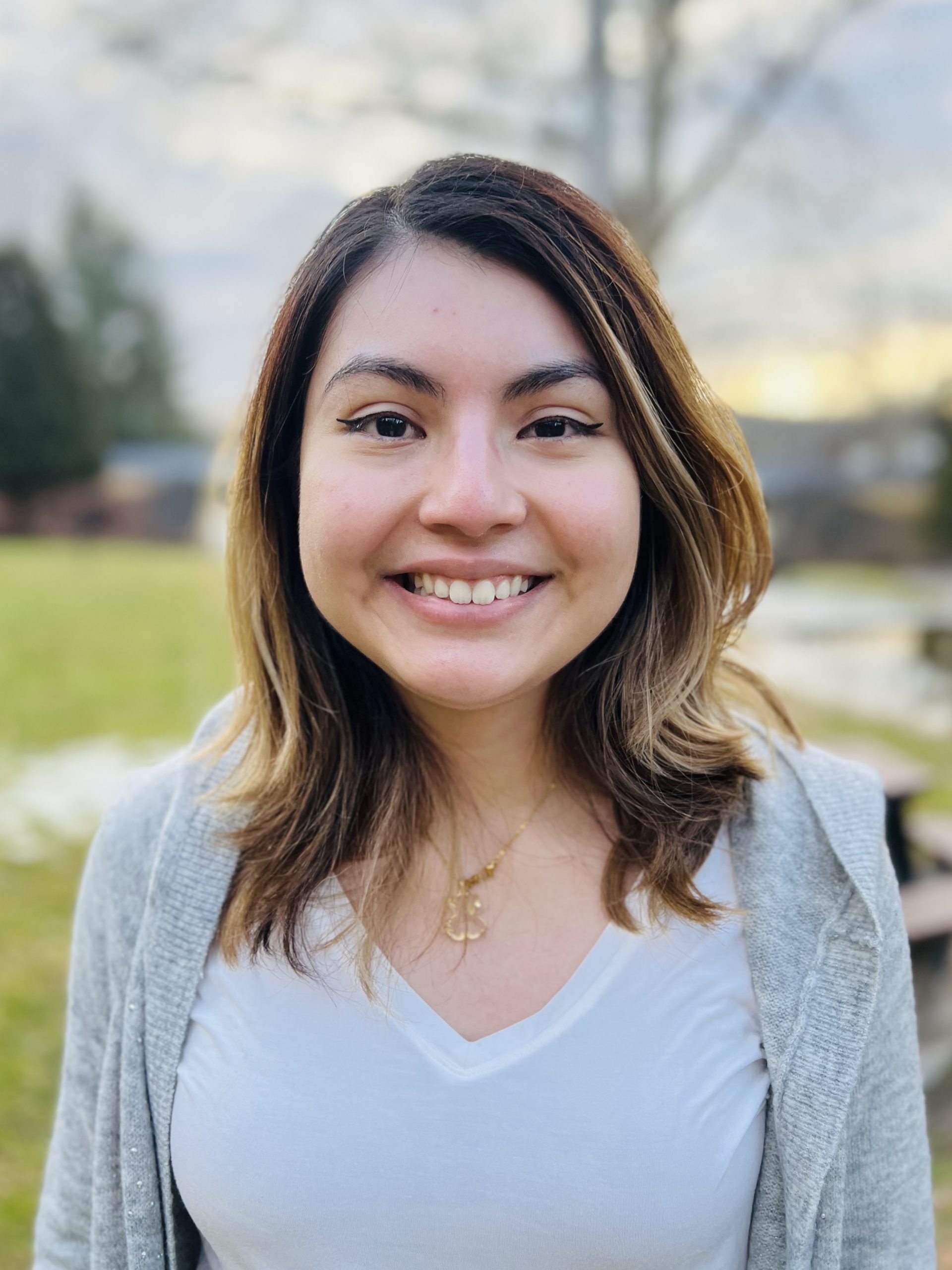
Nikhil is a sophomore majoring in Computer Science with the goal of using technology to support people. Currently, he is working on GoalTac, a UConn-based startup encouraging people to complete their tasks by unifying a productivity app with motivators like social accountability and gamification. In GoalTac, Nikhil leads a small team in software development, business strategy, marketing, and research, and also works in recruiting and networking. He has previously worked in teaching, business development, bookkeeping, and customer service roles. Nikhil’s recent projects include prototyping an AI graphic novel generator at HackUConn and leading a semester of calculus classes as a Supplemental Instructor. In the UConn community, he is involved as a Floor Mentor in the Public Health Learning Community, an E-board leader in the club Diversability, and a volunteer at the Storrs Congregational Church food pantry. Nikhil is an explorer passionate about well-being and relationships. He joined Werth Innovators to cultivate his entrepreneurial mindset and enhance his ability to create value for others through innovative products and services. He is excited to grow and connect with others in this community.

LinkedIn: https://linkedin.com/in/n-ghosh


Hannah Ginste
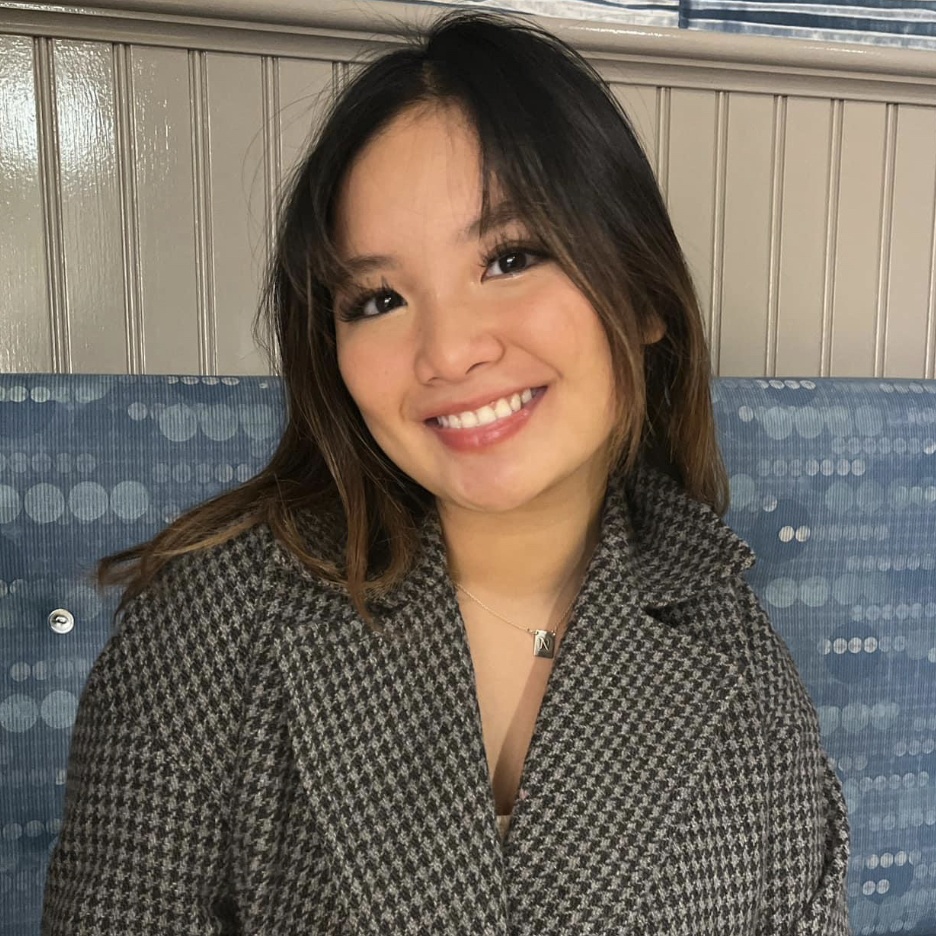
As a writer, music lover, smoothie enthusiast, and a pluviophile, Hannah is thrilled to begin her adventures as a Werth Innovator and put her entrepreneurial ambitions to the test. She’s currently a rising sophomore at UCONN, aiming to study in the business school and continue to learn more about communications/public relations, anthropogenic global climate change and solutions, and programming throughout her academic career. Seeking to connect people and make the environment around her a happier, more accepting place, Hannah hopes to unite her creative aspirations with her dreams for a better world and create positive change for women, college students, and anybody else she happens to meet along the way :). In her free time, Hannah enjoys songwriting and playing her guitar and ukulele, skateboarding, spending time with her family and two dogs, and being outside in nature as much as possible!
LinkedIn: https://www.linkedin.com/in/hannahginste/


Tina Ngo
Tina is a sophomore Business Management with a concentration in Entrepreneurship Major and a prospective Real Estate Minor. Tina is an administrative assistant for Global Business Programs in the Dean’s Suite of the business school; at this position, Tina and her team function as a hub for all global business related information such as study abroad opportunities, networking opportunities, internships, and scholarships. Through her experience at Global Business Programs, Tina has gained immense knowledge on global business concerns and also learned how to integrate into a corporate setting. Tina has helped to direct and lead Global Business Ambassadors, a community of like-minded individuals who have a passion for international issues and sustainability. Tina is also Vice President of the Net Impact Undergraduate Chapter, a new SOLID organization on campus that she is excited to initiate. Tina was also an editor for Her Campus where she wrote articles pertaining to fashion and lifestyle. In her free time, Tina loves to read and indulge in art. She also is an avid traveler and an ambitious individual.

LinkedIn: https://www.linkedin.com/in/tinamngo/


Spencer Thompson
Spencer is a rising sophomore, studying economics. He is active on campus participating in the UConn Investment Banking Society, Fed Challenge, Finance Society and other student groups across UConn. Spencer enjoys traveling and has a particular passion for international business. He previously studied in Ghana, working with various fintech, supply chain, and commodity companies, based in Accra. He is currently studying in London, where he will intern with a local consultancy group. In his free time, Spencer enjoys reading, spending time with friends, and trying new experiences. After his studies, Spencer is aspiring to a master’s in quantitative economics.

LinkedIn: https://www.linkedin.com/in/spencer-thompson-69ab4924a/


Lenie Urbina

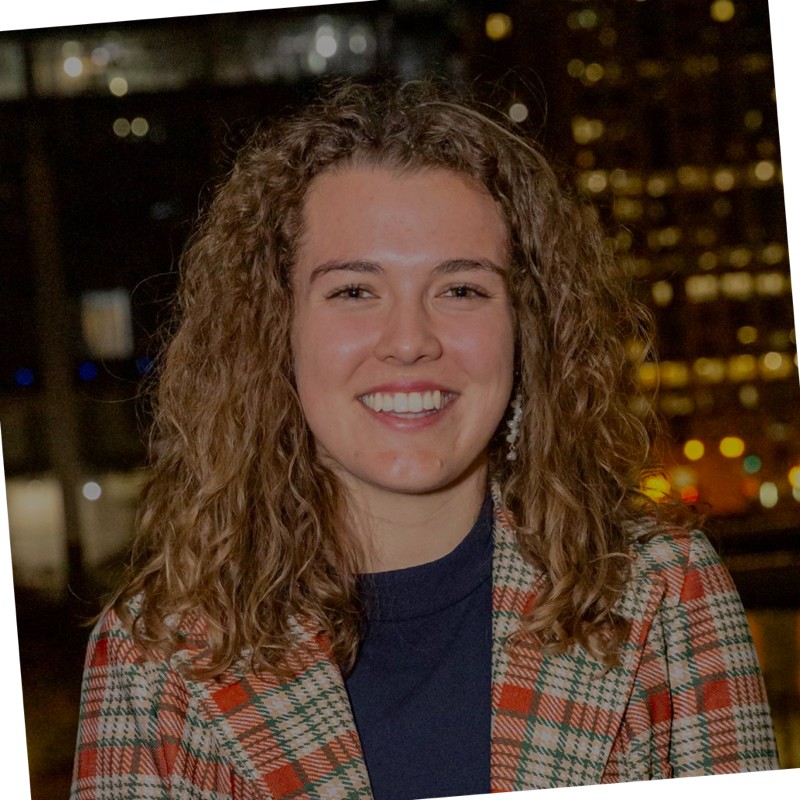
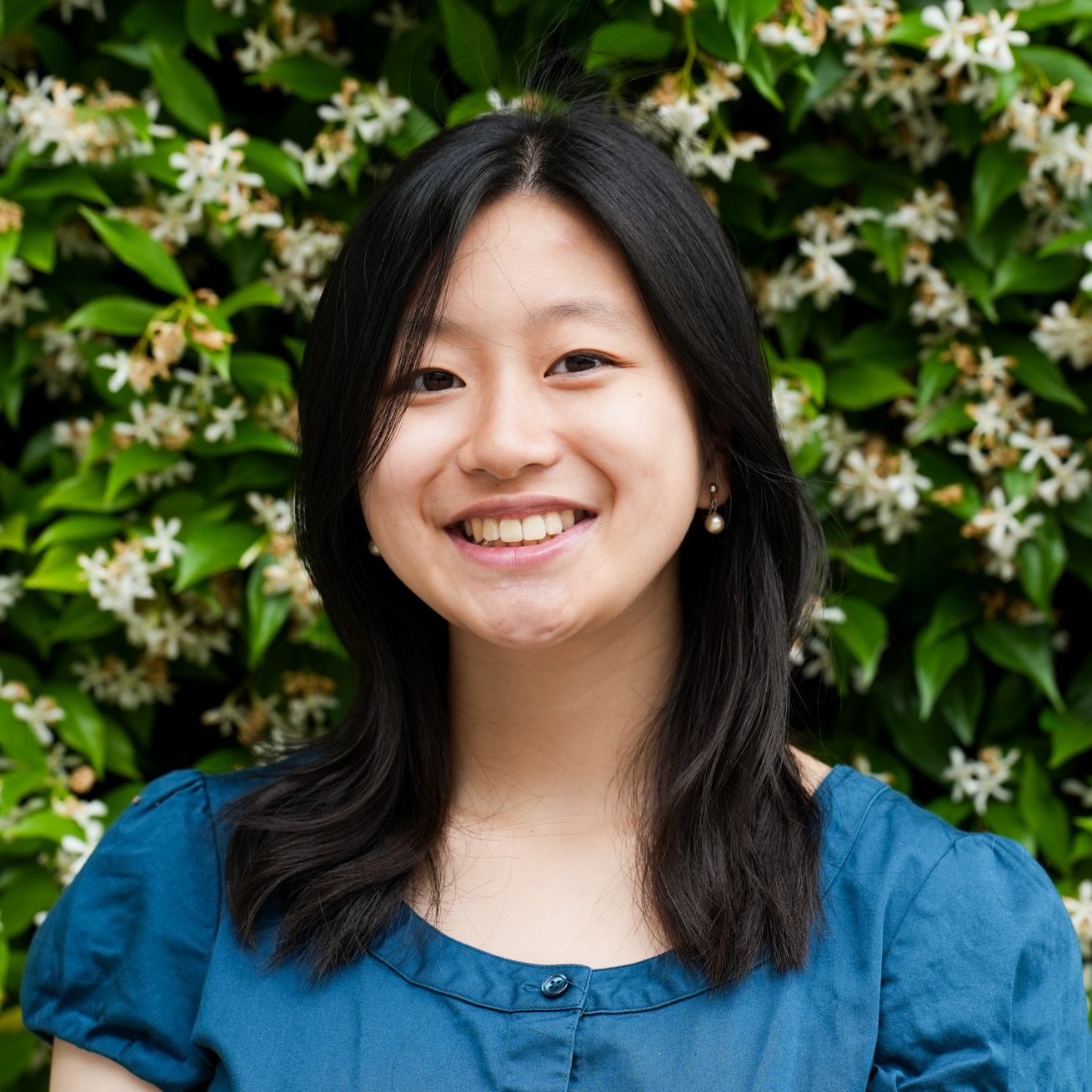
Lenie Urbina is a current junior pursuing a degree in Management with a focus on pre-law studies. With a keen interest in the music industry, Lenie aspires to specialize in intellectual property law. Her strong dedication to entrepreneurship and innovation is evident, complemented by her ownership of the widely-streamed podcast, “The Guud Life.” Lenie’s commitment to her academic and professional pursuits sets her on a promising path toward making significant contributions in the legal and business spheres. When she isn’t in class, you can find her on a long run, trying new foods, or spending time with her 3 month old puppy, Ozzie!
LinkedIn: https://www.linkedin.com/in/lenie-urbina/


2022 Werth Innovators

Laura Braddick
Laura is a Management student at the University of Connecticut School of Business. Outfit Insider is her start-up, establishing an unbiased platform for communities to review, share, and analyze their purchases transparently. Formerly, she was on the UConn Division I women’s rowing team. Originally from Kennebunk, Maine, she’s passionate about entrepreneurship and sustainable fashion. She studied luxury design management at Parsons the New School in Paris and Polimoda in Florence.

Laura gained experience through a venture capital internship at Loeb.nyc this summer with their portfolio company Nunbelievable. She is a Werth Innovator and incoming Hillside Venture analyst. Currently, she’s engaged in ClimateWerx and Build Hartford cohorts as well as continuing my position at Loeb.nyc this semester.

LinkedIn: https://www.linkedin.com/in/laura-braddick/


Charlotte Chen
Charlotte Chen is from Weston, Connecticut pursuing a dual major in Materials Science and Engineering and Molecular and Cell Biology with a minor in Ecology and Evolutionary Biology in the Honors Program. She has experience as the Digital Editor of The Daily Campus and as the Vice President of Origami Club. She is also one of the co-founders of Geomate, an app that helps to ensure safe walking at night. When she’s not working or in classes, Charlotte can be found crocheting the days away, tending to her mini plant army, and making noise with her violin.

LinkedIn: https://www.linkedin.com/in/charlotte-chen-64563616a/


Kristina DeMichiel

LinkedIn: https://www.linkedin.com/in/kristinademichiel/


Nathan Catapano
Nathan is studying Communications at the University of Connecticut College of Liberal Arts and Sciences. In his free time, he enjoys playing basketball and disc golf. Nathan is also the founder of Swipestorm, a software company that offers digital solutions for restaurant management. He is passionate about entrepreneurship, leadership, and communication.

LinkedIn: https://www.linkedin.com/in/nathancatapano/


Arav Parikh
Arav is a third year Honors Computer Science student at the University of Connecticut with minors in Mathematics and Computer Science. Arav is interested in applying the emerging fields of AI and data science for the social good and has already had countless opportunities in his time as an undergrad to do so. One of these opportunities as the Lead Data Scientist at UConn startup PatentPlus not only allowed Arav to hone his technical skills but also discover his passion for entrepreneurship. As a NursEng Fellow this year, he hopes to be able to explore entrepreneurial opportunities in the world of healthcare with a multidisciplinary team. In his free time, Arav enjoys playing and watching sports, running, cooking, and listening to music. As a Werth Innovator, Arav hopes to be able to network with like-minded individuals, refine his softer skills, and kickstart his entrepreneurial journey.

LinkedIn: https://www.linkedin.com/in/arav-parikh/


Asley Perez
Asley Perez, a third-year undergraduate majoring in Physiology and Neurobiology with a minor in Communications at the University of Connecticut, is a versatile and detail-oriented professional. As an EMT with a strong commitment to healthcare, she has provided timely and compassionate emergency medical care at New Britain EMS. Simultaneously, Asley is an entrepreneur, owning Asley’s Backyard LLC, a landscaping and masonry company in New Haven County, which champions women’s empowerment in a traditionally male-dominated field. Her involvement in the Werth Innovators Leadership Development Program Cohort showcases her commitment to making a meaningful impact on her entrepreneurial journey. Her assistant research in Allied Health, focusing on the impact of social media on health promotion, demonstrates her commitment to improving the well-being of individuals and families, particularly pregnant or postpartum individuals. Asley’s academic prowess, entrepreneurial spirit, leadership, and dedication to healthcare have shaped her into a versatile and driven professional.

LinkedIn: https://www.linkedin.com/in/asley-perez-7517b0223/


Jonathan Schoelkopf
Jonathan Schoelkopf is a 3rd-year Management & Entrepreneurship student extremely passionate about the ever-revolving door of businesses. He’s been a part of the Werth Institute since the Fall of 2022 and currently participating in the Fall 2023 ClimateWerx cohort. Beyond that, he’s involved with Hillside Ventures investing in early-stage startups and a former member of the Business Connections Learning Community. A few of his interests include sustainable fashion, small businesses, and seeing the world.

LinkedIn: https://www.linkedin.com/in/jonathan-schoelkopf/


Saira A. Kazmi, Ph.D., ’03 (ENG)

Saira Kazmi Photo

Executive Director, Enterprise Data and Machine Learning Engineering, CVS Health

Saira Kazmi, Ph.D., is an Executive Director of Enterprise Data and Machine Learning Engineering at CVS Health. She brings over 18 years of experience in delivering advanced analytics capabilities into business workflows.

Saira loves working with complex data and enjoys designing and implementing solutions for problems associated with generating, storing, and analyzing large amounts of data. Saira has extensive technical and leadership expertise in delivering novel solutions for complex business problems from inception to production. Domains of experience include Bioinformatics, Medical Informatics, Healthcare, Insurance, Business Analytics, Text Search, Patent, and Intellectual Property Analytics. She advocates metadata best practices and establishes standards and business processes to enable high-quality data-driven metrics and insights.

She received her Ph.D. in Computer Science with a focus in Bioinformatics from the University of Connecticut and her post-doctoral training in Medical Informatics from Yale University.

Saira Kazmi is doing things WerthWatching:

  • A leader in working with complex data
  • Leading an engineering team that is delivering enterprise-scale data products and machine-learning platforms for one of the largest healthcare organizations in the United States
  • Uses entrepreneurship to leverage her creativity

How did you become interested in engineering and data science?

From a young age, my father was a big inspiration for me, and I naturally followed in his footsteps in engineering. I knew that Mathematics and Computer Science enabled biologists, physicians, scientists, and researchers to solve complex problems related to life-threatening diseases, such as cancer. I wanted to learn more and participate so I started my academic journey in computer science and often collaborated with molecular biologists, chemists, physicians, and researchers. As I came closer to finishing my Ph.D., I became more interested in engineering applications and sought opportunities in the industry. I interned at a health insurance company with its enterprise information architecture team. As part of that program, I was exposed to fascinating high-impact work that applied Deep Learning to develop innovative products to augment clinical decisions in health management. I enjoyed the work and the pace and saw the real impact of my work. I also realized that my foundational cross-disciplinary research background translated well for solving many industry problems. This realization shifted the direction of my career into engineering applications of Data Science and Machine Learning Engineering.

Why are entrepreneurship and innovation important to you?

Throughout my career, I have been very fortunate to participate in research and entrepreneurial projects that advance foundational science and leverage it in applications in the healthcare domain. Entrepreneurship allows innovative ideas to be used to improve the lives of people and better the human condition. It enables me to leverage my creativity and be motivated each day.

Can you describe a time you took a risk? Did it pay off? If not, what lesson did you learn?

I was on the path to an academic career with my doctorate program. I became increasingly interested in the engineering aspects of my work and signed up for an internship in the industry toward the end of my academic program. This financial and career risk could have impacted my chances of staying on the academic path. Looking back, it was one of my best decisions because it pushed me to learn, stretch myself further, and explore a better it in the longer term. I learned that it is always the right decision to propel your career in a direction that aligns with your interests and passion. It did not pay off in the short term, as I had to restart my career in the industry. It paid off in the long run, allowing me to stay passionate and interested in my work every day.

How did UConn prepare you for where you’re at today?

UConn provided me with strong foundational knowledge and research opportunities that allowed me to be successful in the emerging field of Data Science and Computer Science. The internship opportunity that kicked of my career in the industry was obtained through the UConn career center and its established industry partnerships.

Describe a professional moment you are most proud of and why?

I am very proud of where I am today, leading an engineering team that is delivering enterprise-scale data products and machine-learning platforms for one of the largest healthcare organizations in the United States. I am particularly proud of the feedback from my team this year on my ability to cultivate the culture and environment that motivates them to deliver their best.

Tell us a little about your continued involvement with UConn. Why is it important to give back as a mentor?

I am participating in activities with the Werth Institute and find it to be a very rewarding experience. It also allows me to mentor and connect with students curious about the industry opportunities or seeking clarity on career alternatives and choices that align with their academic curriculum.

What advice do you have for today’s students or emerging entrepreneurs?

Follow your interests and passion. Seek critical feedback and a growth mindset.

Which business tool or resource do you recommend to others, and why?

I leverage LinkedIn and Twitter and often follow industry leaders, researchers, and academicians. It usually allows me to think differently about problems I am solving daily. I also leverage free online courses and content to refresh my technical skills.

What’s your favorite UConn memory?

One of my favorite memories at UConn was moving into the new Computer Science building. I had seen that building go up and anticipated the move for many years during its construction. when the building was ready, we were excited to be in the state-of-the-art computer science laboratories, classes, and offices.

What are you passionate about outside of work?

I love to travel, bike, and cook with my family. I am also passionate about education and creating educational opportunities for other whenever possible.

2023 Stamford Werth Innovators

Victoria Almazan
Victoria is a junior majoring in Psychological Sciences and English with a minor in Human Development and Family Sciences. As part of UConn, Victoria has been the treasurer and member of the scholastic resources committee of First Generation Club. She also was awarded a SHaW seed grant to fund the creation and implementation of the Mind Body Wellness Workshop Series for Stamford students. Most prominently, Victoria was a research assistant in the Family Resilience and Mindfulness Empowerment (FRAME) Lab under Dr. Na Zhang. She was recently awarded an IDEA grant to fund her independent research project on Latina mothers and co-residential grandparents’ communication as it relates to parenting under the mentorship of Dr. Cristina Mogro-Wilson, PhD, MSW. Through her involvement on campus, Victoria was awarded the Stamford Emerging Leader of the Year award in Spring 2023. When she’s not busy studying and researching, Victoria stays on campus playing with her dog, Elvis, reading, and finding new vegetarian recipes to try. As a Werth Innovator, Victoria hopes to combine entrepreneurship with her passions for mental health equity and accessibility.

LinkedIn: https://www.linkedin.com/in/victorialmazan/


Danielle Bernard
Danielle Bernard attended a small catholic high school in Bridgeport, CT, where she graduated as the salutatorian of her class. She is a member of the National Honors Society. She received over ten awards, some of them being The Bridgeport Rotary Club Service Above Self Award, the Philip Broadhurst Award, and The Cornell Book Award. Danielle is also the Co-Founder of the mentorship and scholarship program, T.O.P. She is currently working towards her degree in Human Development and Family Sciences. She is on the Dean’s list and finished her first year of college with a 3.9. Danielle hopes to mentor and educate students while enforcing diversity, equity, and inclusion principles in the education system. She hopes to bring opportunities and introduce entrepreneurship skills to students. Danielle is committed to change, activism, education, inspiring others, and making a difference in the community.

LinkedIn: https://www.linkedin.com/in/danielle-bernard-42a945228/


Allen Counts
Introducing Allen Counts, a student with a strong entrepreneurial drive. He is passionate about learning and personal growth as he charts his path in the business world. Allen’s diverse interests define his dynamic personality. Books are Allen’s constant companions, offering insights and fueling his creative thinking. Whether immersed in business strategies or captivating fiction, he believes in the transformative power of literature. Outside the realm of books, Allen’s adventurous spirit finds expression through biking. Exploring the world on two wheels energizes his mind, sparking innovative ideas. Among his diverse interests, finance holds a special place for Allen. He recognizes its crucial role in business and seeks to understand financial management to build ventures that are both innovative and financially sustainable. Driven by curiosity, an adventurous spirit, and a keen eye for opportunities, Allen Counts is determined to make his mark as an entrepreneur. He embraces challenges and eagerly anticipates a future full of exciting possibilities.

LinkedIn: https://www.linkedin.com/in/allen-counts/


Nathaly Herrera
Nathaly is an incoming junior Honors student studying Financial Management on the UConn Stamford campus. At school, Nathaly is a part of the Business Connections Learning Community, heavily involved in the Honors program as a Communications Coordinator and PATH Mentor, a part of the Student Government Association, and is a School of Business Peer Advisor on campus! One of her passions is playing tennis, coaching tennis, and giving back to the community! With this, her goal is to create a program that would support and teach students tennis while also giving back to their local community. This could be through volunteering efforts, community service efforts etc. Nathaly hopes to find others within the Werth Institute to work together on this project, or even possibly merge her ideas with someone else’s. More than anything she is excited to network with and meet other entrepreneurial students and get to share ideas with them! One of her goals is to also obtain a leadership position within the Werth Institute, and try and recruit more UConn Stamford students to join the new Stamford cohort! Outside of school and tennis, Nathaly enjoys cooking, reading, traveling, going to concerts, working, and playing with her cat!

LinkedIn: https://www.linkedin.com/in/nathaly-herrera/


Alexa Molina
Alexa is a sophomore majoring in Political Science and Psychological sciences. She is on a fast track to the Master’s in Public Health program. At UConn, Alexa has been involved with Honors in leadership as the Chair of the Honors Student Leadership Board and secretary for Politics and First Generation Club. This summer, Alexa will present a paper at the 2024 National Academy of Public Administration Social Equity Leadership Conference focused on the intersection of Latino youth and insurance disparity rates. Currently, Alexa is a research assistant for the Cirights Human Rights Data Project and a congressional intern at the US House of Representatives, where she is learning more about human rights at the federal government level. Alexa is very passionate about giving back to marginalized communities and, as a Werth innovator, hopes to create a solution for refugees adapting to new living conditions.

LinkedIn: https://www.linkedin.com/in/alexamolina25/


Jack Tarca, ’22 (BUS Management)

Jack Tarca Headshot

Founder, Find The Good Brand/UConn Entreprenuer in Residence

Get to know Jack Tarca, the Werth Institute’s new Entreprenuer in Residence with Championship Labs.

What do you do now and how did you get where you are?

I am pursuing my mission driven apparel brand full-time, while becoming the first Entrepreneur in Residence at the Werth Institute here at UConn. I was able to achieve success with my company while a student at UConn, using the resources, network, and knowledge found all throughout UConn’s ecosystem. Most important, I never stopped putting ideas into action.

What do you find most fulfilling about your job?

Seeing an idea go from idea to reality. Whether it’s a physical piece of apparel that we’re developing, an inspiring post about well-being, or a new e-commerce strategy we’re implementing, taking something in your head and proving its success in the real world never gets old.

How do you help your organization use business to have a positive impact on the world?

We aim for our business to positively impact anyone who’s engaging with our brand. Whether it’s through our content or purchasing a product, we want to add value to everyone who hears about our business. We’re in the business of helping people live happier and healthier lives. We do this through spreading our mantra of “finding the good”. These three simple words have been proven to have a positive impact on thousands of people’s lives. From spilling your morning coffee, to making it through months of rehabilitation for a mental disease, our community has told us that these three simple words were the reason they were able to get through the day.

Which business tool or resource do you recommend to others, and why?

I recommend “Notion”, it’s a project management and note-taking application. You can use it for personal use or at a business level. It’s user friendly, organized, but also has the ability to be customized as you see fit. I use it for storing brand assets, writing all sorts of copy, calendars, and collecting inspiration via photos and links. It does it all, without being overwhelming.

What is the biggest lesson you have learned so far since graduating?

In my two months after graduating, I’m still adjusting to working full-time and not having any assignments due at 11:59pm on Husky CT. In this short time, I’ve learned that I have new goals for the first time in four years. Throughout college my main goals were graduating, landing a job, and building a brand. It’s interesting to have to re-evaluate goals that have been set for so long, but also exciting to take on new challenges. Every milestone I’ve hit post-graduation has also meant creating a new one, which is sometimes more difficult than achieving the milestone itself. The lesson here is to always be ready for what’s next.

What is the best advice you’ve ever received?

Done is better than perfect.

What did your time at UConn mean to you?

My time at UConn was invaluable. I gained confidence to pursue my ideas that hadn’t been proven yet, as well as the perseverance and resources to see them through to reality. UConn for me was a place to test ideas and fail, knowing that there were resources available to help me learn from my mistakes was crucial as I began my entrepreneurial journey.

What are you passionate about outside of work?

I’m passionate about the ocean. I try to spend as much time on the water as I do on land. From fishing, to boating, to surfing, you can find me on the water when I’m not working. At Find The Good Brand we talk about finding your “spot”, it’s like a happy place you go to, to practice mindfulness. The ocean is my favorite “spot”.

What’s next?

Next, I’ll be heading back to UConn to build resources for student athletes and social media influencers to help grow accessibility in entrepreneurship at UConn. The world of college athletics has been changed forever and I’m excited to be at the forefront of such an impactful movement for NIL.  I will also continue to build Find The Good Brand, when I’m not busy helping students at UConn pursue their passions.

Jaden Brodeur, ’20 (BUS)

Jaden Brodeur Photo

Founder, Luma

Jaden Brodeur has always been passionate for meaningful innovation designed to address big problems. At an early age, he took an interest in the concept of eliminating plastic-bottled water, fully convinced his adulthood should be free of single-use plastic bottles. He is co-founder of Luma, a sustainability company with a hyperfocus on hydration. Luma is building the first hydration unit to simultaneously combine UV-C light with optional filtration via activated Carbon. UV-C light is used to eradicate bacteria from the unit’s water contents and its interior surface, meaning regular cleaning is not required. Activated Carbon is used to treat water for other pollutants that UV-C light does not account for. In doing this, Luma is offering a unit that matches the water purity of bottled water while eliminating maintenance of the unit itself.

Jaden Brodeur is doing things WerthWatching:

  • Fulfilling his longtime dream of innovating the water bottle industry.
  • Recently participated in CCEI’s Summer Fellowship program.
  • “I left my job, worked on Luma unpaid, drained my bank, moved back home with my
    mom to stay afloat, and have never been happier”

Tell us about Luma and how it came to be.

Going into my 2nd semester of junior year at UConn, I found a venture investing platform that I would be interning for in the summer, where I would be doing venture scouting. I wanted to come in prepared, so I started early making a list of young startups that I could reach out to when beginning my internship. I was browsing Kickstarter to find companies early in their development, and I came across a campaign for a product called Luma Bottle. I was blown away, because I had been fascinated by the idea of innovating the water bottle industry since I was a freshman in high school, and Luma Bottle was everything I’d been fantasizing about. It was the first company I put on my list, and then the first company I scheduled a call with when starting my internship.

When I got on that call, I was blown away to learn that it was a project led by another student my age across the country at BYU. There was no product, no capital, and no real team other than some friends of Willy’s at BYU helping out. We got to know each other well over the course of the next year and a half, touching base regularly as Willy worked towards getting the product concept built. In March of 2021, we were catching up after not speaking for a few months. He filled me in on what was going on. He was able to finally develop the product and fulfill pre-orders, but there was no direction after that. There was no capital, low inventory of a product that still needed work, nobody else working on it, and no clear path forward. Willy was also still finishing up school and working full time at a company in Utah.

I encouraged Willy to keep pushing forward, and helped put together a plan to raise capital, fund product improvements, build out a brand strategy, etc. It was clear that Willy and I had opposite skillsets, and we decided to team up and start a company. Less than 5 months later, we formed Luma Hydration Inc and closed our first investment of $75,000.

How is Luma using business to make a positive impact on the world?

Luma is a mission driven company dedicated to eliminating the use of plastic-packaged water. We’re combining meaningful innovation, premium quality, and impeccable design to build a sustainable hydration experience that’s healthier for our bodies and healthier for our planet.

Why are entrepreneurship and innovation important to you?

Entrepreneurship and innovation are important to me for more reasons to count, but I think the most important thing is that it gives me the opportunity to operate with complete creative freedom, which is what makes me happy. I feel fulfilled and feel like there’s nothing holding me back from reaching my full potential.

What did you learn from your experience at UConn that has helped you most in your career?

My time at UConn was an invaluable self-discovery experience. I learned more about myself in my 4 years at UConn than I could have ever imagined. I gained a better understanding of what I’m good at and what I’m not good at. I think I became much more self-aware.

Were there any connections that you made at UConn through the Werth Institute (staff, alumni, faculty, peers, etc.) that helped you beyond graduating?

I’ve made sure to stay well connected with David Noble. He was the one professor I had at UConn that truly inspired me, that I looked up to and admired.

I had also met Ryan Gresh (Class of 2009) during my time at UConn. He’s become someone I consider to be a great friend, and an incredible mentor. No matter what it is I’m going through, he’s someone I know I can always lean on for advice and has been guiding me through my entrepreneurial journey since day 1.

Are you still connected with UConn in any way and if yes, how so (college friends, mentoring current students, football games, etc.)?

Yes! My friends from UConn remain some of my closest friends and being a die-hard UConn basketball fan since my earliest memories, I attend as many home games as I can. I’m also participating in UConn’s summer fellowship program with CCEI.

Which business tool or resource do you recommend to others, and why?

Twitter! I can’t advocate enough for young professionals to use the platform more. To me, it’s a more authentic LinkedIn. I’ve built relationships with countless mentors, investors, founders, etc. from Twitter.

What is the biggest lesson you have learned so far since graduating?

When you leave college and step out into the “real-world,” the “guardrails” that have been in place since we were born suddenly disappear. It can be both intimidating and exciting. I felt like I could do anything I wanted. The biggest lesson I learned was to take advantage of that feeling.

I think a lot of people find themselves getting into jobs and careers that don’t really excite them, but it’s just what they feel like they’re “supposed” to do. I’ve learned to dismiss the status-quo and to do what makes me happy. We have limited time, and I don’t want to waste it.

What is the best advice you’ve ever received?

“Do what makes you happy”.

It kind of builds off the lesson I just mentioned above, but I think it’s super important and it’s always on my mind. Finding happiness is the ultimate goal, and happiness looks different for everyone. For me, I like to create things. I like to make my own decisions, I like to think big, I like to live and work without someone telling me what I can and can’t do. Nobody wants to live with regrets, and I feel like I’m living regret-free, because I’m doing what makes me happy. Out of college, I had a great job in the city I wanted to live in my whole life, making great money, working with people I liked, but I didn’t truly feel happy because I felt like I was limited in what I was allowed to do. I left my job, worked on Luma unpaid, drained my bank, moved back home with my mom to stay afloat, and have never been happier. I’m young and can afford to take big risks. If things didn’t work out, I’d at least be doing what I loved. Fortunately, things have gone well 🙂

What did your time at UConn mean to you?

My time at UConn meant so much to me. I grew tremendously as a person, I learned about myself, I built both friendships and professional relationships that will last me a lifetime, and I had as much fun as I ever could have hoped for. I take extreme pride in UConn and hope to remain involved with the university in some way throughout my life.

What are you passionate about outside of work?

Golf, football, and UConn basketball!

What is next for you?

Fully focused on scaling Luma with the hope of one day building a generational company.

Thomas Bachant, ’13 (ENG)

Jaden Brodeur Photo

Founder, Luma

Jaden Brodeur has always been passionate for meaningful innovation designed to address big problems. At an early age, he took an interest in the concept of eliminating plastic-bottled water, fully convinced his adulthood should be free of single-use plastic bottles. He is co-founder of Luma, a sustainability company with a hyperfocus on hydration. Luma is building the first hydration unit to simultaneously combine UV-C light with optional filtration via activated Carbon. UV-C light is used to eradicate bacteria from the unit’s water contents and its interior surface, meaning regular cleaning is not required. Activated Carbon is used to treat water for other pollutants that UV-C light does not account for. In doing this, Luma is offering a unit that matches the water purity of bottled water while eliminating maintenance of the unit itself.

Jaden Brodeur is doing things WerthWatching:

  • Fulfilling his longtime dream of innovating the water bottle industry.
  • Recently participated in CCEI’s Summer Fellowship program.
  • “I left my job, worked on Luma unpaid, drained my bank, moved back home with my
    mom to stay afloat, and have never been happier”

Tell us about Luma and how it came to be.

Going into my 2nd semester of junior year at UConn, I found a venture investing platform that I would be interning for in the summer, where I would be doing venture scouting. I wanted to come in prepared, so I started early making a list of young startups that I could reach out to when beginning my internship. I was browsing Kickstarter to find companies early in their development, and I came across a campaign for a product called Luma Bottle. I was blown away, because I had been fascinated by the idea of innovating the water bottle industry since I was a freshman in high school, and Luma Bottle was everything I’d been fantasizing about. It was the first company I put on my list, and then the first company I scheduled a call with when starting my internship.

When I got on that call, I was blown away to learn that it was a project led by another student my age across the country at BYU. There was no product, no capital, and no real team other than some friends of Willy’s at BYU helping out. We got to know each other well over the course of the next year and a half, touching base regularly as Willy worked towards getting the product concept built. In March of 2021, we were catching up after not speaking for a few months. He filled me in on what was going on. He was able to finally develop the product and fulfill pre-orders, but there was no direction after that. There was no capital, low inventory of a product that still needed work, nobody else working on it, and no clear path forward. Willy was also still finishing up school and working full time at a company in Utah.

I encouraged Willy to keep pushing forward, and helped put together a plan to raise capital, fund product improvements, build out a brand strategy, etc. It was clear that Willy and I had opposite skillsets, and we decided to team up and start a company. Less than 5 months later, we formed Luma Hydration Inc and closed our first investment of $75,000.

How is Luma using business to make a positive impact on the world?

Luma is a mission driven company dedicated to eliminating the use of plastic-packaged water. We’re combining meaningful innovation, premium quality, and impeccable design to build a sustainable hydration experience that’s healthier for our bodies and healthier for our planet.

Why are entrepreneurship and innovation important to you?

Entrepreneurship and innovation are important to me for more reasons to count, but I think the most important thing is that it gives me the opportunity to operate with complete creative freedom, which is what makes me happy. I feel fulfilled and feel like there’s nothing holding me back from reaching my full potential.

What did you learn from your experience at UConn that has helped you most in your career?

My time at UConn was an invaluable self-discovery experience. I learned more about myself in my 4 years at UConn than I could have ever imagined. I gained a better understanding of what I’m good at and what I’m not good at. I think I became much more self-aware.

Were there any connections that you made at UConn through the Werth Institute (staff, alumni, faculty, peers, etc.) that helped you beyond graduating?

I’ve made sure to stay well connected with David Noble. He was the one professor I had at UConn that truly inspired me, that I looked up to and admired.

I had also met Ryan Gresh (Class of 2009) during my time at UConn. He’s become someone I consider to be a great friend, and an incredible mentor. No matter what it is I’m going through, he’s someone I know I can always lean on for advice and has been guiding me through my entrepreneurial journey since day 1.

Are you still connected with UConn in any way and if yes, how so (college friends, mentoring current students, football games, etc.)?

Yes! My friends from UConn remain some of my closest friends and being a die-hard UConn basketball fan since my earliest memories, I attend as many home games as I can. I’m also participating in UConn’s summer fellowship program with CCEI.

Which business tool or resource do you recommend to others, and why?

Twitter! I can’t advocate enough for young professionals to use the platform more. To me, it’s a more authentic LinkedIn. I’ve built relationships with countless mentors, investors, founders, etc. from Twitter.

What is the biggest lesson you have learned so far since graduating?

When you leave college and step out into the “real-world,” the “guardrails” that have been in place since we were born suddenly disappear. It can be both intimidating and exciting. I felt like I could do anything I wanted. The biggest lesson I learned was to take advantage of that feeling.

I think a lot of people find themselves getting into jobs and careers that don’t really excite them, but it’s just what they feel like they’re “supposed” to do. I’ve learned to dismiss the status-quo and to do what makes me happy. We have limited time, and I don’t want to waste it.

What is the best advice you’ve ever received?

“Do what makes you happy”.

It kind of builds off the lesson I just mentioned above, but I think it’s super important and it’s always on my mind. Finding happiness is the ultimate goal, and happiness looks different for everyone. For me, I like to create things. I like to make my own decisions, I like to think big, I like to live and work without someone telling me what I can and can’t do. Nobody wants to live with regrets, and I feel like I’m living regret-free, because I’m doing what makes me happy. Out of college, I had a great job in the city I wanted to live in my whole life, making great money, working with people I liked, but I didn’t truly feel happy because I felt like I was limited in what I was allowed to do. I left my job, worked on Luma unpaid, drained my bank, moved back home with my mom to stay afloat, and have never been happier. I’m young and can afford to take big risks. If things didn’t work out, I’d at least be doing what I loved. Fortunately, things have gone well 🙂

What did your time at UConn mean to you?

My time at UConn meant so much to me. I grew tremendously as a person, I learned about myself, I built both friendships and professional relationships that will last me a lifetime, and I had as much fun as I ever could have hoped for. I take extreme pride in UConn and hope to remain involved with the university in some way throughout my life.

What are you passionate about outside of work?

Golf, football, and UConn basketball!

What is next for you?

Fully focused on scaling Luma with the hope of one day building a generational company.

Thomas Bachant, ’13 (ENG)

Thomas Bachant Photo

Founder, CEO of Everyspace

Tom Bachant is the founder & CEO at Everyspace, a community platform to create meaningful connection in remote teams. Previously, Tom founded Dashride, a ridesharing platform that was acquired by Cruise in 2018 and was named one of Forbes “30 Under 30” in 2019. Tom is an entrepreneur, engineer, and product expert focused on creating equitable social impact.

Thomas Bachant is doing things WerthWatching:

  • Helping companies centralize communications to better engage and retain employees
  • Passionate about building community in a modern world
  • Involved in nonprofits working to create equitable, sustainable transit

How did you become interested in being a serial entrepreneur?

I never had that goal in mind, but rather, I’ve always looked for problems that I could solve, and iterated on solutions until people started using what I had built. It just so happens that if you’re stubborn and persistent enough at this, you end up becoming an entrepreneur.

Why are entrepreneurship and innovation important to you?

We should always be looking for ways to have an outsized positive impact on the world. For me, software was the way to create a solution used by millions of people by writing a few lines of code, and it’s hard to pass up on an opportunity like that.

Can you describe a time you took a risk? Did it pay off? If not, what lesson did you learn?

When I graduated from UConn, I passed on a cushy job offer in order to work on my first startup, Sobrio, which was a ridesharing service for college students. I jumped in full-time with no salary and even lived on an RV for 2 months while we launched the app on different college campuses. Nothing motivates you to succeed quite like being broke and without a home! It taught me about ruthless prioritization and that done is better than perfect when the stakes are high and you have a lot of problems to solve.

Where do you see Everyspace in the next five years?

Everyspace’s goal today is to create a sense of community within companies, and our goal over the next decade is to create communities across the globe around various interests, ideas, and identities. People everywhere are seeking community and we want to be the place to start.

Any advice for companies on how to create connection and community in remote teams?

It takes work. As much as we wish that people could all autonomously self-organize into the perfect groups, it takes having the right people and the right tools to facilitate connection. Finding the right group size, making communication easy, and defining a shared mission separates a disparate group from a meaningful community.

How did UConn prepare you for where you’re at today?

There were some amazing resources for aspiring entrepreneurs at UConn, including but not limited to the Werth Institute and the Innovation Quest program that connected us with the right mentors during the early days (shoutout to Keith Fox and Richard Dino!). The first funding we ever received was from a business plan competition held by the School of Business, and it jumpstarted my first company.

What’s your favorite UConn memory?

I’ll never forget the night the men’s basketball team with Kemba Walker won the NCAA championship! The campus erupted in celebration, and my professors were kind enough to overlook the fact that I did not come close to finishing my homework that night.

What advice do you have for today’s students or emerging entrepreneurs?

To my fellow engineers out there, it’s a harsh truth to learn that “if you build it, they will come” is a lie. Building is only one part of the process. You need to talk to customers, deeply understand their problems, build, validate, iterate, and be able to clearly communicate your value proposition and market/sell effectively.

Describe a professional moment you are most proud of, and why?

Believe it or not, I’m still proud of the Startup Weekend Storrs competition that we competed in back in 2012! My co-founder and I hacked together a project over the course of a weekend, presented it in front of an audience of smart, ambitious people, and came out with the top prize! It was motivating to see how a small group with a well-defined goal can create something meaningful in a matter of days.

Which business tool or resource do you recommend to others, and why?

If you’re looking to start a tech company, “Startup School by Y Combinator” is a great place to start. This is a series of talks on everything from fine-tuning your idea to building your solution to recruiting your team. It’s run by some of the most successful entrepreneurs in the tech world, and I still rewatch the videos from time to time.

What are you passionate about outside of work?

I’ve worked in transportation for most of my career and it’s clear that creating equitable, sustainable transit in one of the biggest opportunities of our generation. To me, this means reducing carbon emissions, reducing dependency on personal car ownership, and creating safe, walkable cities by focusing on public transit, cycling, and pedestrian infrastructure. I’m involved in a few non-profits working to solve this, and happy to share more if anyone wants to connect with me!

William “Bill” Guerrero, ’93 (CLAS)

William

Vice President for Finance/CFO of the University of Bridgeport

Bill Guerrero is an innovator in education, with more than 20 years of experience in higher education administration. He currently serves as the vice president for Finance and CFO at the University of Bridgeport, a private university in Bridgeport, Connecticut. Here, he leads efforts for effective long-term financial sustainability, planning and annual budgeting, finance, accounting, treasury and student financial services. Bill is also a renowned national speaker and
frequent podcast guest on topics such on digital transformation, change management, risk management, entrepreneurship, non-tuition revenue, and the overall financial sustainability and business model of higher education.

Tell us about your role with the University of Bridgeport (UB). What impact do you hope to make?

My primary role is to ensure financial sustainability for this terrific university. My hope is to return UB back to its glory days, with so many proud alumni, as one of the flagship universities in the State of Connecticut and be something that City of Bridgeport and the surrounding community can be very proud of.

How did you become interested in the education space?

I was a first-generation college student raised by a single mother of five children. If it was not for athletics, I would not have thought of college as an option. The opportunity afforded me allowed me to become a role model for my nieces and nephews and a break a cycle for social mobility. My interest therefore in working in the education space is to give back and help enhance those opportunities for others by making colleges/universities accessible and affordable, primarily through entrepreneurship and innovation.

What role has entrepreneurship played in your career?

I was exposed to entrepreneurship early in my life when my mother left her corporate job at Xerox as an executive secretary and started a day care. Doesn’t sound that innovative, but back in the 1980’s when dual income families were becoming necessary, her understanding the basics of problem, solution, and expertise yields a solid business model. Watching mother everyday managing customers (families), federal and state rules and regulations, and no paid time off for example, as most entrepreneurs understand well. This background has grounded me in my work ethic, focus on solutions for customers that make money, and overall risk tolerance. I used this background in my academic background to be part of a team that won the first State of CT business plan contest among all of the higher ed institutions back in 1999 during my MBA program. I then used these skills to revive or start non-tuition businesses within higher education to keep the costs down for students. Plus, I was an adjunct faculty teaching entrepreneurship and writing business plans for 13 years yielding numerous successful businesses and future entrepreneurs.

Why is entrepreneurship and innovation important to you?

I am not a huge fan of “that is what we have always done” in higher education. But change is not easy anywhere. But with the Black Swan of the COVID-19 pandemic, and then the demographic cliff and value proposition challenge of higher education, providing an educational experience that students/families are willing to invest in requires a lot of adjustments to what is the best business model to ensure financial sustainability. My belief is that you don’t succeed long-term buy just cutting costs. That only taxes the good employees that remain and decrease the service levels. My alternative view is through innovation and entrepreneurship an organization can actually respond proactively that will meet the needs of students and preserve jobs. This requires a lot of collaboration which I think it is very positive. There are so many smart people in higher education within the faculty, staff, and student ranks with terrific ideas and solutions to problems.

Tell us how you have contributed to innovation in education.

There are so many examples at the various institutions that I have worked at, plus innovation can be defined many ways. But I will list a few related to dining services. Back in the early 2000’s implemented the first all vegan/vegetarian café on a college campus in the U.S. before it was a standard need meeting the needs of the populations; established the highest revenue generating licensed Starbucks on a college campus through community building and increased student retention; and significant sales; and self-operated the $20M dining program that was typically contracted to a large 3 rd party. Last example, which is not food service related, is Purchase Park 2 Fly, a discount airport parking business, that was started from scratch and generated $1M in revenue in the first year and generating $250K in profits that went directly to student financial aid.

Can you describe a time you took a risk? Did it pay off? If not, what lesson did you learn?

I am wired a little different where I am not very risk-adverse. My mother demonstrated that to me through her business. To raise five children, it was desperation leads to inspiration. I have a picture in my office titled “risk.” It is a picture of baseball player stealing second base. This is relatively unusual for a CFO, but I believe in calculated risks to supports innovation. But failure doesn’t scare me. I was a “relatively” good baseball player and as in most sports, you can’t play hesitant. If you hesitate stealing a base, you will be out. But also, to be a good baseball player you fail 70% of the time. My best example of risk besides changing jobs professionally numerous times, is marrying my wife, Maggie Guerrero ’94. We knew each other for a long time and eventually got married. Some may say not risky, but it was the best decision in our lives.

How did UConn prepare you for where you’re at today?

UConn prepared me professionally and personally. I had a lot of failure at UConn but the opportunities available allowed me to persist. My baseball career didn’t work out the way I expected. Instead of transferring, I persisted in other interests. My major was Communications, but I was able to learn the basic skills in business and finance to realize a professional path forward ultimately becoming a CFO. I became a Resident Assistant and it established a strong foundation for my higher education career without even knowing it. I joined a group of lifelong friends and we started a fraternity (TKE). I did not become my fraternity’s President but became a leader in the Interfraternity Council helping policy on a larger scale. I also became a successful D3 college baseball coach, due to my experiences. It allowed me to recruit successfully based on my personal experiences.

What is your favorite UConn memory?

Of course, the UConn basketball games. First games at the Fieldhouse and then with the opening of Gampel Pavilion. I would add Yale Bowl…where I hung out with my future wife and friends. Many others…. but we leave it at these traditions.

What advice do you have for today’s students or emerging entreprenuers?

Start as soon as you can. Fail as soon as you can. The risk will be minimal. The resources available are so much greater than before. So many people…. faculty, staff, alumni, etc. that are willing to help. It will never be perfect, but you need to take that leap before life takes over such as a family, mortgage, and saving for retirement, and then the risk factor becomes more apparent.

Describe a professional moment you are most proud of, and why?

My favorite professional moments are when former employees or students I either supported, taught, or coached, stay in touch for professional and personal guidance. As humble brag…my proudest moments are being invited to the many weddings and being consider influential in their lives, and the acknowledgment that they will pay it forward.

What/who has been the biggest influence in your life and career?

Not surprising, it is my mother for the various aforementioned aspects. Her resiliency, work ethic, creativity, problem solving, and being a great mother is bar none. Her impact on my life and career decisions permeates both aspects of my life.

What is next for you?

I have learned early on that life is short. I take each day and try to do my best to make a positive impact and not assume there is a tomorrow. My current focus is just that at the University of Bridgeport. To lead it to perpetual success.

How do you see higher education evolving in the next five years?

Unfortunately, I see a lot of consolidations outside the top 150 private college/universities and top 50 state universities. The demographics and the rising cost of attendance make it really difficult to match the supply and demand in the current paradigm. Unless there are some changes in some federal support to make it more affordable, and a repositioned value of an education, it will be difficult to remain status quo. There are many terrific examples of innovative higher education institutions, but will others have the same entrepreneurial and innovate risk tolerance to make the necessary changes to survive and thrive.

What are you passionate about outside of work?

Not surprisingly I am a very passionate UConn Athletics fan. I have season tickets to baseball and football and attend as many women and men’s basketball games as possible. I am also a die-hard Yankees fan. Besides these passions, my family lives pretty simply and we are passionate about giving back to our community, lifelong learning, and of course taking care of my rose bushes!

Jamison Yaffa, ’14 (CLAS)

Jamison Yaffa

Co-Founder & Portfolio Manager, 6Beacon Capital

Jamison Yaffa ’14 is a co-founder and portfolio manager at 6Beacon Capital, based in Boston, MA. He previously spent time at Crestline Investors and Balyasny Asset Management. Jamison started his career as an Investment Banking Analyst at UBS. He graduated from UConn in 2014 with a B.A. in Economics and a minor in Real Estate Finance. While at UConn, he was an active member in many student organizations including the Kappa Sigma Fraternity, Real Estate Society and intramural sports. He is an avid UConn basketball fan. Outside of work, he enjoys golf, skiing, and fishing.

Jamison Yaffa is doing things WerthWatching:

  • Launched 6Beacon Capital investment management fund at the end of 2021
  • Helps current Huskies find their career path as a mentor in the NetWerx program

What sparked your interest in a career in finance?
I always enjoyed working in fast paced, constantly changing environments and working with people from varying backgrounds and perspectives. 
I found interest in working with companies as they grow and fund their business.

Why is entrepreneurship and innovation important to you? 
Constantly bettering myself and hard work have always been important to me, personally and professionally – entrepreneurship allows you to directly see the results of the work put in.

Can you describe a time you took a risk? Did it pay off? If not, what lesson did you learn?
Launching our fund at the end of last year. Going from a large, established firm with robust infrastructure to a small start-up team has been a tremendous learning experience. Although early days, it has already paid off from a personal development perspective. 

How did UConn prepare you for where you’re at today? 
The networking and alumni base I was exposed to while at UConn allowed me to truly refine my interests and equipped me with the skillset to be successful in this industry.

Tell us a little about your continued involvement with UConn. Why is it important to give back as a mentor? 
Mentors and alumni I met during my time at UConn were critical in shaping my path post graduating. Being a mentor allows me to give back and help guide undergraduate students as they realize their career ambitions.  

Which business tool or resource do you recommend to others, and why? 
The best resource is people in your industry of interest and your peers. Gaining knowledge and varying perspectives is the best way to prepare you for success, particularly at the start of your career. 

What’s your favorite UConn memory?
Watching the (multiple) basketball championships on campus. 

What are you passionate about outside of work?
Activities with friends such as golfing, skiing, and fishing. I also enjoy reading and listening to podcasts.